
Residential Carpet Flood Damage Melbourne Restoration Guide
Water on your carpet is never something a homeowner expects. A burst pipe, leaking appliance, roof failure during heavy rain, or stormwater entering the home can quickly soak carpets and spread moisture through nearby building materials. While the situation can feel urgent and stressful, most incidents can be resolved effectively when the problem is addressed quickly, and the correct restoration methods are used.
For homeowners facing carpet flood damage Melbourne, understanding how the restoration process works can help reduce uncertainty and prevent costly mistakes. Early action and professional drying are the key factors that protect both the carpet and the structure of your home.
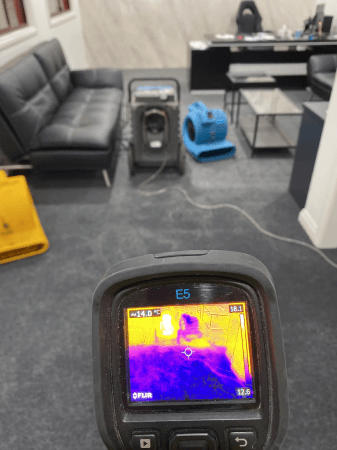
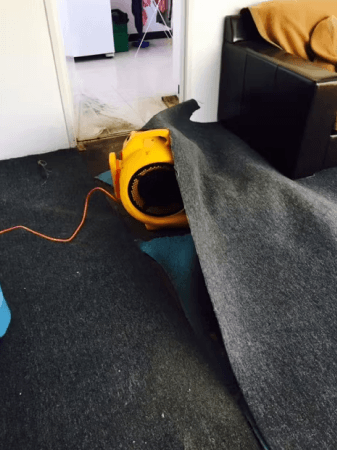
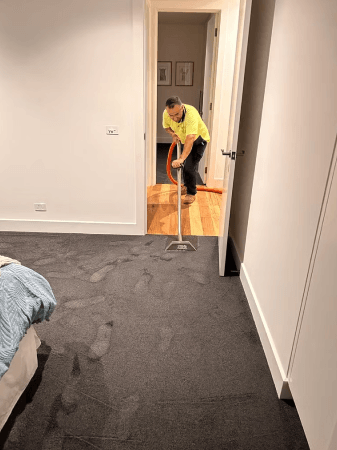
Carpet Flood Damage Melbourne
When carpet becomes wet, the problem usually extends beyond what can be seen on the surface. Carpet fibres absorb water quickly and the underlay beneath the carpet can hold a significant volume of moisture. Water can then migrate into nearby materials such as timber subfloors, skirting boards, and wall linings.
Because of this, professional carpet flood damage restoration focuses on the entire affected structure rather than simply drying the carpet surface. Moisture left beneath carpet or inside surrounding materials can lead to unpleasant odours, deterioration of building materials, or mould growth in hidden areas.
Common causes of carpet flood damage in residential properties include:
- Burst or leaking plumbing pipes
- Washing machine or dishwasher failures
- Bathroom or toilet overflows
- Roof leaks during storms
- Stormwater entering through doors or window frames
Regardless of the cause, the most important factor influencing the outcome is how quickly the drying process begins.
Water Damage Categories and Drying Classes
Professional restoration technicians classify water damage using two key systems: water category and drying class. These assessments determine the level of contamination, the complexity of drying, and the cost of restoration.
Water categories:
Water involved in flooding is grouped into three categories:
- Category 1 – Clean water: Water from a supply line or appliance leak. This type of water presents the lowest risk if addressed quickly.
- Category 2 – Grey water: Water that may contain contaminants, such as from washing machines, dishwashers, or certain plumbing fixtures.
- Category 3 – Black water: Highly contaminated water such as sewage or stormwater.
Drying Classes:
Drying classes describe the extent of water absorption and how difficult the area will be to dry. A small, isolated leak affecting one section of carpet will require less equipment and time than water that has spread across multiple rooms and soaked into structural materials.
Both the category and class of damage influence the amount of equipment required, the duration of the drying program, and the overall cost of carpet flood damage Melbourne restoration.
Flood Damage Carpet Drying
Professional flood damage carpet drying involves far more than simply removing visible water. It is a controlled process designed to remove moisture from carpet, underlay, subfloors, and surrounding structures.
The process typically begins with a detailed inspection. Technicians identify the source of the water, assess the contamination category, and measure moisture levels throughout the affected area.
Once the assessment is complete, high-capacity extraction equipment is used to remove the bulk of the water from the carpet. Removing as much water as possible at this stage significantly shortens the overall drying time.
After extraction, commercial air movers and dehumidifiers are strategically placed to promote airflow and remove moisture from the environment. This controlled drying environment allows trapped moisture to evaporate safely from the carpet system and surrounding building materials.
During the flood damage carpet drying process, technicians regularly monitor moisture levels and adjust equipment to ensure the structure dries efficiently and safely.
The Hidden Risks of DIY Water Removal
It is common for homeowners to attempt drying flooded carpets themselves before contacting a professional restoration company. Unfortunately, this approach often leaves hidden moisture behind.
Household fans and towels rarely reach the water trapped beneath the carpet or inside the underlay. Even when the surface appears dry, moisture can remain underneath and continue spreading through building materials.
There is also a significant electrical safety risk when attempting to remove water using a standard household vacuum cleaner. Domestic vacuums are not designed for water extraction and using them on wet carpet can create a serious risk of electric shock or electrocution.
Because of these risks, professional flood damage carpet drying equipment is always the safest and most effective option.
How Delays Can Increase Restoration Costs
One of the biggest factors affecting the cost of carpet flood damage Melbourne restoration is time. The longer moisture remains in the structure, the greater the risk of secondary damage.
When water damage is addressed quickly, drying may only take a few days and the carpet can often be restored without replacement. However, when water is left untreated or hidden moisture remains after unsuccessful DIY attempts, additional problems may develop.
The most common issue is mould growth, which can begin developing within 24–48 hours in damp conditions. Mould often forms in concealed areas such as under carpet, behind skirting boards, or inside wall cavities.
Once mould becomes established, the restoration process becomes more complex and expensive, often requiring containment, remediation, and removal of contaminated materials.
Why Melbournians Choose Capital Facility Services
Responding quickly to water damage and using the correct drying methods can significantly reduce restoration costs and prevent long-term issues.
Capital Facility Services has, extensive, experience assisting homeowners with flood damage restoration and implementing structured flood damage drying programs. Our technicians use professional extraction and drying equipment and follow proven restoration procedures to remove moisture from both visible and hidden areas of the property.
By assessing the water category, identifying the drying class, and responding promptly, our team can develop an effective restoration strategy that helps Melbournians return their property to normal as quickly as possible. Our team is available 24/7 and endeavours to attend emergency flood damage situations within an hour across Melbourne. Call us if you have flooded carpet and we will explain the process and answer any questions you may have.